Top Of The World

gemini generated image grws55grws55grws removebg preview
Generic selectors
Exact matches only
Search in title
Search in content
Post Type Selectors
gemini generated image grws55grws55grws removebg preview
Generic selectors
Exact matches only
Search in title
Search in content
Post Type Selectors

Festivals

1703321434 1 2023 12 23t132405 217
Festivals

Christmas in Kolkata

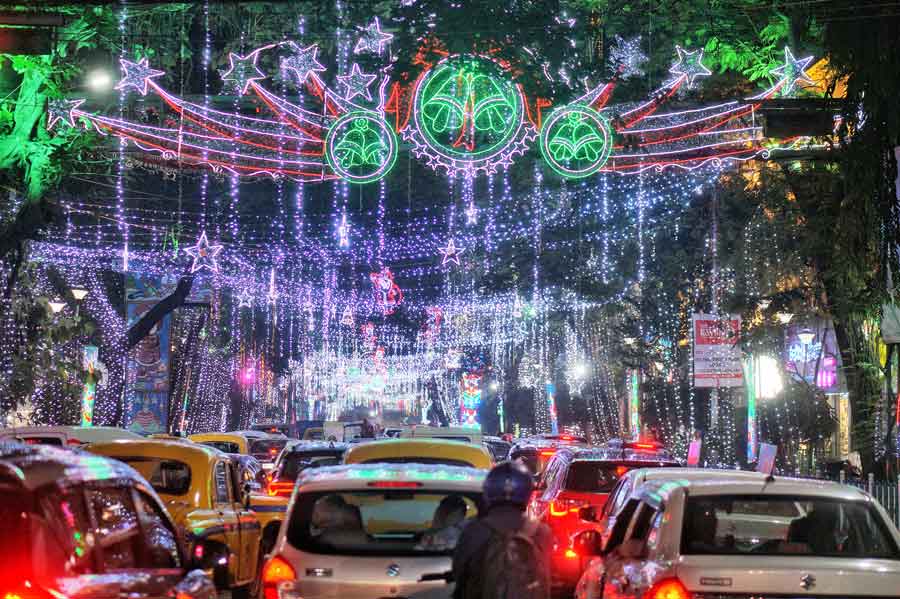
Christmas in Kolkata carries a charm that feels both nostalgic and vibrant, especially around the heart of the city—Park Street. The historic avenue transforms into a glowing walkway of dazzling lights, stars, and festive décor. People of all faiths come together to enjoy the carnival-like atmosphere, capturing photos, strolling under light canopies, and soaking in the musical spirit of the season. Churches across the city become sanctuaries of peace and devotion, with midnight masses held at St. Paul’s Cathedral, Bow Barracks, and various parish churches. Hymns and carols echo through ancient halls and stone corridors, inviting a sense of serenity and reflection. Many attend prayers with candles in hand, reinforcing Christmas values of hope, kindness, and compassion. Food plays a central role in Kolkata’s Christmas festivities, with iconic bakeries such as Nahoum’s, Flurys, and local confectioners preparing special cakes, marzipan, cookies, and puddings. Traditional Anglo-Indian delicacies—like roast meats, mince pies, and homemade wine—reflect Kolkata’s historic Eurasian heritage. Christmas in Kolkata is not only a religious celebration but a cultural experience. It symbolizes togetherness and festive warmth—families gather, friends exchange gifts, choirs sing, and laughter fills the air. Whether through twinkling lights or soft carols, the season spreads a sense of joy that gently carries the city into the New Year.
1749278986 park circus 7 point pix tto
Festivals

Eid in Kolkata

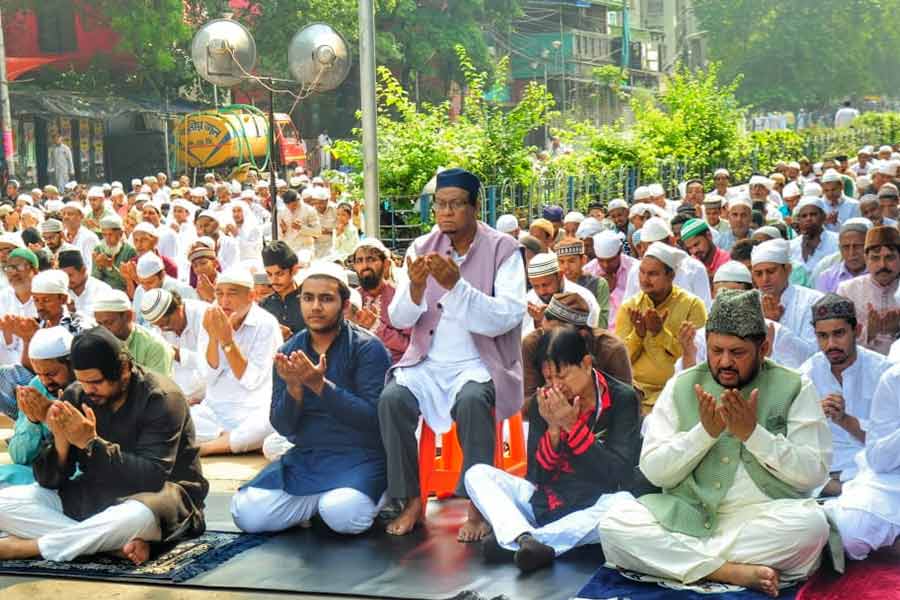
Eid in Kolkata is a beautiful celebration of faith, community, and brotherhood, marked by vibrant cultural harmony. On the morning of Eid-ul-Fitr and Eid-ul-Adha, thousands gather at the iconic Nakhoda Masjid and other mosques across the city for the special Eid prayers. The atmosphere is peaceful and reverent, filled with heartfelt greetings of “Eid Mubarak!” and embraces of friendship and goodwill. Ramadan evenings in Kolkata create a unique culinary scene, especially around areas like Zakaria Street, Park Circus, and Metiabruz. Streets come alive with stalls selling kebabs, haleem, biryani, phirni, sheermal, and aromatic sewai. Both Muslims and non-Muslims participate in this food revelry, reflecting Kolkata’s inclusive spirit and shared love for festive cuisine. Eid is also a day of giving, sharing, and compassion. Zakat and charity ensure that the joy of Eid reaches those less fortunate. New clothes, heartfelt gatherings, and exchanging sweets are common traditions. Families open their homes to friends of all backgrounds, reinforcing the message of human connection beyond religious lines. In Kolkata, Eid transcends religious boundaries, becoming a symbol of harmony in a multicultural city. As prayers conclude, meals are shared, and hearts connect, Eid stands as a reminder of empathy, gratitude, and the shared values that bind the people of Kolkata together.

kali shakespeare sarani arnab dutta 2010
Festivals

Kali Puja & Diwali — Night of Light

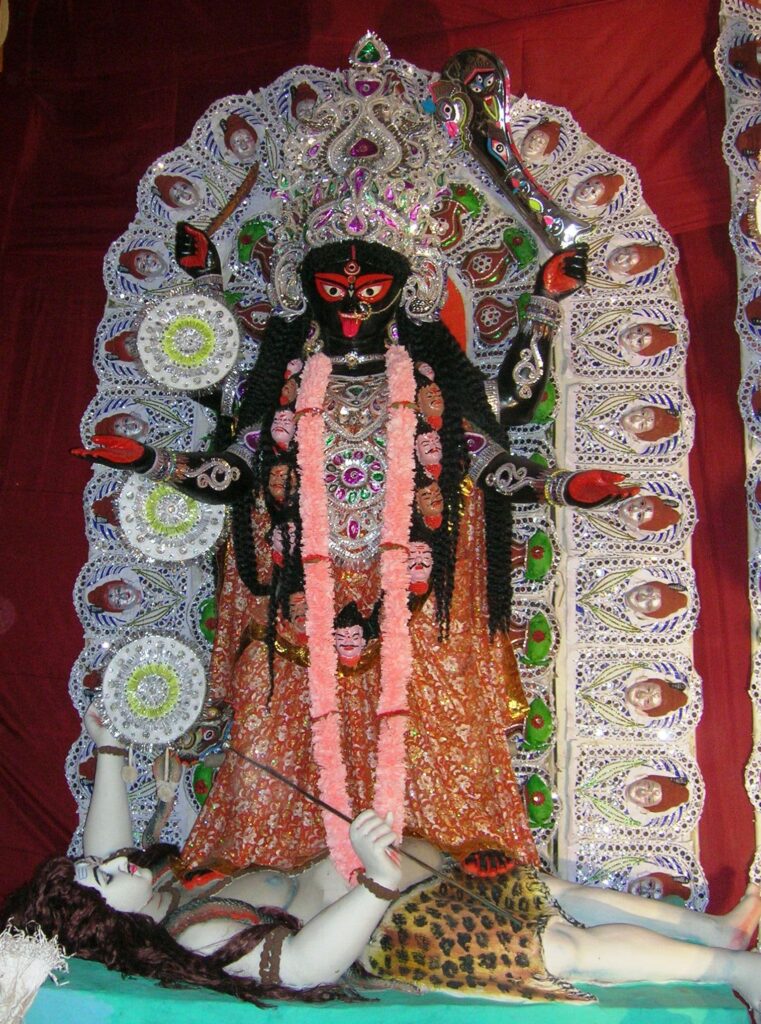
Kali Puja in Kolkata is deeply rooted in spirituality and emotion, honoring Goddess Kali—the fierce protector and embodiment of divine feminine power. Celebrated during October–November alongside Diwali, the festival presents a uniquely Bengali expression of devotion. While much of India worships Goddess Lakshmi on Diwali, Kolkata primarily reveres Kali, who symbolizes the destruction of evil and the liberation of the soul from ignorance. The city transforms into a radiant galaxy of lights, diyas, candles, and artistic displays. Homes and neighborhoods glow with shimmering decorations, and the air resonates with chanting, bells, fireworks, and celebration. Pandals showcase striking images of Kali—dark-skinned, fearless, adorned with garlands of skulls or flowers, and poised on the defeated body of Mahishasura or Lord Shiva, signifying the triumph of divine justice. Kali Puja and Diwali are also times of social bonding, remembrance, and renewal. Families gather for prayers, share festive meals, and exchange sweets. Special delicacies like narkel-naru, sandesh, and kalakand become household favorites. For many, the lighting of lamps represents the victory of inner light over darkness, courage over fear, and hope over uncertainty. Late into the night, the celebration continues with warmth and devotion, as people visit pandals, enjoy fireworks, and spend joyous time with friends and family. The festival concludes with a renewed sense of positivity and spiritual reassurance, reminding everyone of the protective presence of Goddess Kali and the luminosity of Diwali’s promise.

1644057949 saraswati1
Festivals

Saraswati Puja — Celebration of Knowledge, Art & Learning

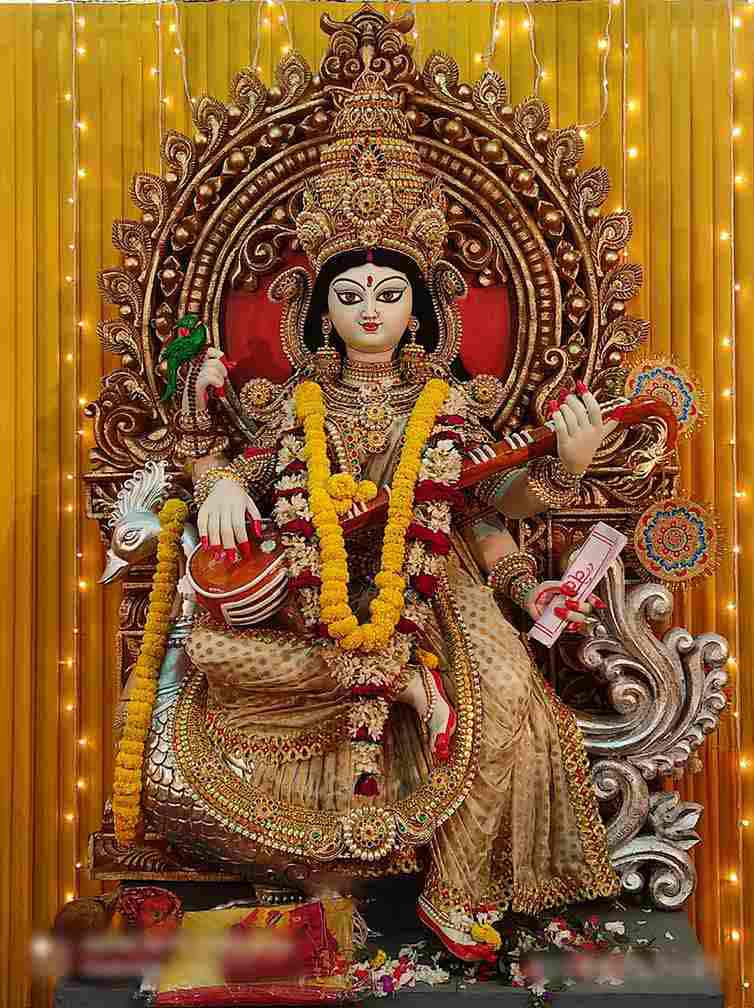
Saraswati Puja is one of the most cherished festivals for students, artists, musicians, and educators in Kolkata. Celebrated on Basanta Panchami, usually in January or February, it honors Goddess Saraswati—the divine source of wisdom, learning, creativity, and the arts. On this day, schools, colleges, music academies, and cultural institutions arrange beautifully adorned altars with the idol of the serene goddess, often seated with a veena, swan, and sacred scriptures. For students, the festival holds immense significance as a prayer for academic success and intellectual growth. Books, pens, and instruments are placed at the goddess’s feet as a symbolic gesture of offering and respect. Many children begin their first formal lesson or writing practice on this day, known as ‘Hathe-Khori.’ It is believed that seeking Saraswati’s blessings enhances memory, clarity, and artistic talent. Saraswati Puja also carries a special cultural charm in Bengal, often associated with youthful joy and social interaction. It is informally known as the “Bengali Valentine’s Day,” as many young people dress in traditional yellow attire—the color of spring—and spend time with friends in festive gatherings. The ambience is filled with flowers, music, laughter, and the freshness of the upcoming spring season. Beyond ritualistic devotion, Saraswati Puja is a celebration of intellectual freedom, creative expression, and cultural elegance. It embodies the spirit of Bengal, where education and the arts hold deep respect. As the city blooms in yellow hues, the festival inspires a renewed passion for learning and artistic exploration.

kolkata durga puja pandals 2025
Festivals

Durga Puja — The Grand Festival of Bengal

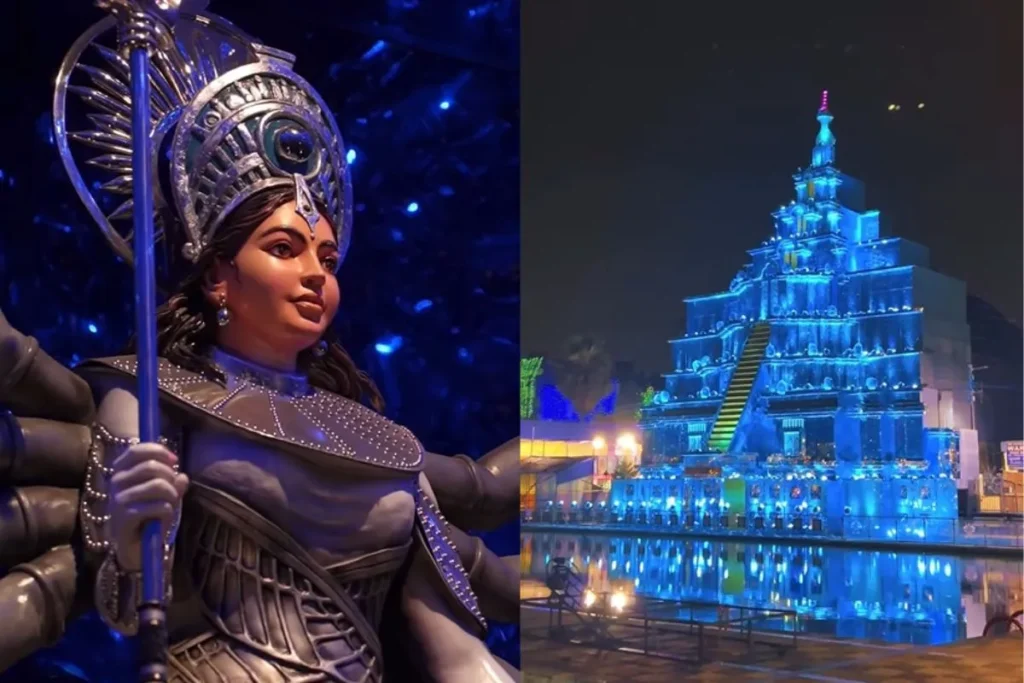
Durga Puja stands as the cultural heartbeat of Kolkata, transforming the city into a living open-air art gallery every year. Celebrated in the months of September or October, this festival marks the homecoming of Goddess Durga along with her children—Lakshmi, Saraswati, Ganesha, and Kartikeya. Streets come alive with lights, music, and decorations, while millions of residents and visitors take to the pandal-hopping tradition, exploring elaborate themed structures that range from traditional designs to modern architectural marvels. The making of the Durga idols is itself a sacred craft, centered in the historic potters’ quarter of Kumartuli. Artisans spend months sculpting the goddess using clay sourced from the banks of the Ganga, with profound attention to detail. Each idol reflects artistic heritage and religious devotion, culminating in magnificently majestic images of the goddess slaying the demon Mahishasura—a symbol of the triumph of good over evil. Durga Puja is not only a religious celebration but also a social and cultural festival that unites people across backgrounds and communities. Cultural evenings feature traditional dance, music, drama, and poetry recitations, while food stalls serve everything from authentic Bengali cuisine to modern street snacks. For many, it is a time of new clothes, joyful gatherings, and family reunions. The final day, Vijayadashami, is both emotional and celebratory, as idols are taken in grand processions for immersion (Visarjan) into the river. Women perform the ritual of ‘Sindoor Khela,’ applying vermillion to each other as a gesture of goodwill and prosperity. Though the festival ends with the departure of the goddess, it leaves behind a deep sense of cultural pride, memory, and anticipation for the next year.

Listings
News
Home
Jobs
Contact